Sports field heating systems
Electric heating systems for sports facilities
DEVI provides underground electric heating cable systems for sports fields and environments that help manage soil temperatures, support field usability during winter conditions, and integrate with automated controls and sensors.
DEVI electric heating systems are designed for applications where soil and surface temperature management forms part of the overall project requirements. The systems can be integrated beneath sports fields, landscaped areas to support operational use during periods of low temperatures, frost, and snow. Suitable for both new construction and refurbishment projects, DEVI solutions can be configured according to local climate conditions, installation requirements, and project objectives.
Sports field heating systems are commonly installed beneath natural or artificial turf as part of the field infrastructure. These systems can help maintain suitable ground conditions during colder seasons and support the availability of sports facilities when frost or snow may otherwise affect surface usability.
Typical applications include:
- Football stadiums
- Heated football pitches
- Training grounds
- Golf courses
- Multi-purpose sports facilities
- Recreational sports fields
- Landscape and leisure projects

Benefits
- Installed beneath natural grass, hybrid turf, or artificial turf systems
- Suitable for stadiums, training facilities, sports complexes, and recreational sports grounds
- Compatible with automated control systems and environmental sensors
- Designed according to local climate conditions and project-specific operational requirements
- Suitable for both new construction and refurbishment projects
- Supports temperature management within the pitch structure
- Helps manage snow and frost accumulation on sports surfaces
- Can be integrated with facility management and building automation systems where applicable
Product groups
Choose a product group to see more details and documents
Heating cables, mats and thermostats
Case stories
Read about our experience in real-life solutions
An ideal field
For professional and international stadiums, a very high standard of playing...

Cleaner Air, Better Game.
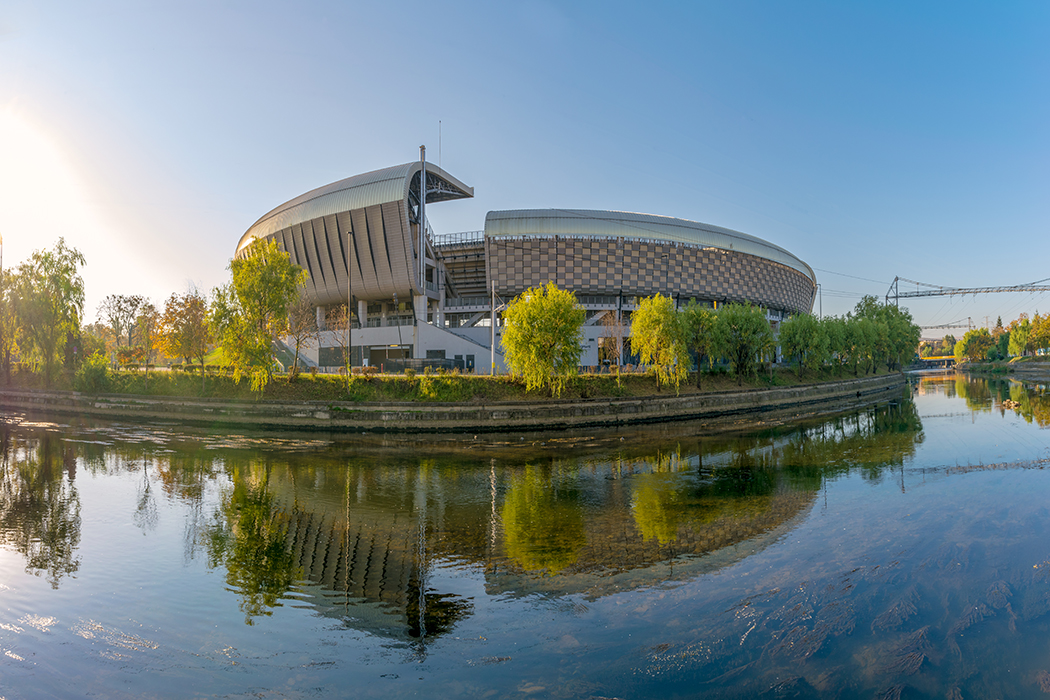
Cluj Arena in Romania, faced a challenge to meet FIFA’s requirement for heated football fields.
FAQs
-
A heated football pitch uses electric heating cables installed beneath the playing surface. The system is connected to sensors and control units that regulate operation according to predefined parameters and environmental conditions. Heating is distributed through the soil structure to support temperature management within the field.
-
DEVI has extensive experience in electric heating applications for sports infrastructure, landscaping, agriculture, and commercial projects.Sports field heating systems can be configured to suit a wide range of project requirements and installation conditions.Solutions may be designed based on:
- Local climate conditions
- Soil composition and characteristics
- Turf or crop type
- Installation methodology
- Operational objectives
- Control and monitoring requirements
Combined with ssensors and control systems, DEVI heating systems can form part of an integrated solution for temperature management beneath sports surfaces, soil structures, and agricultural growing areas. -
DEVI electric heating systems can also be used in agricultural and horticultural projects where soil temperature management is required as part of crop cultivation or plant production processes.Typical applications include:
- Vineyards
- Seed beds
- Plant nurseries
- Greenhouses
- Agricultural facilities
- Specialty crop production
-
Many stadiums use underground heating systems installed beneath the turf. Combined with sensors and control systems, these installations support temperature management within the playing surface during periods of low ambient temperatures, depending on the system design and operating conditions.
-
The energy consumption of a heated football field varies depending on several project-specific factors, including field size, outdoor temperature, weather conditions, soil structure, insulation characteristics, operating schedules, and control settings.Modern pitch heating and turf heating solutions can be integrated with sensors and automated controls and automated management systems. These controls allow the system to operate according to predefined parameters and site requirements, helping facility operators manage energy use based on actual field conditions.For each project, expected energy consumption should be assessed during the design phase using local climate data, heating requirements, and system specifications. Actual operating performance may vary depending on installation design and usage patterns.
-
For professional stadium projects, pitch heating systems are often specified as part of the overall field infrastructure. System design should consider factors such as:
- Pitch construction and drainage design
- Climate and winter operating conditions
- Control and monitoring requirements
- Maintenance practices
- Applicable stadium, league and project specifications
Heating systems should always be designed and dimensioned according to the specific technical requirements of the venue and relevant project standards. -
Turf heating systems use heating cables installed below the playing surface to help maintain predefined soil or root-zone temperature conditions. Temperature targets are determined by the stadium operator, agronomic consultant and project requirements, taking local climate and pitch design into account.