Domestic hot water
Electric heating systems for the maintaining water temperature
Self-regulating heating cable systems are designed for maintaining the temperature of domestic hot water distribution pipework in residential, hospitality, healthcare, commercial and public buildings.
Typical applications: Multi-family residential buildings, Hotels and hospitality facilities, Healthcare buildings, Commercial buildings, Residential developments, Public buildings etc

Benefits
- Temperature maintenance for domestic hot water distribution systems
- Self-regulating heating cable technology
- Suitable for a range of building types and project sizes
- Adaptable to different pipe layouts and installation environments
- Available for new-build and retrofit applications
- Compatible with dedicated control and monitoring solutions
- Up to 50% fewer pipes, valves, pumps and insulation components
- Reduced water waste
- Immediate hot water at the point of use
Product groups
Choose a product group to see more details and documents
Heating cables, mats and thermostats
| Product group | Pipe tracing - temp. maintenance, externally | Pipe tracing - frost protection, externally | Pipe tracing - frost protection, internally | Pipe tracing -Domestic hot water externally |
|---|---|---|---|---|
| DEVIbasic™ 10S | ||||
| DEVIbasic™ 20S - 230 V & 400 V | ||||
| DEVIbasic™ Drum Goods | ||||
| DEVIflex' 6T | ||||
| DEVIflex' 10T | ||||
| DEVImulti' PVC | ||||
| DEVIaqua' 9T - 230 V/400V/Special order | ||||
| DEVIpipeheat' 10 V2 | ||||
| DEVIpipeheat' 10 V3 | ||||
| DEVIhotwatt' 45 (B) / 55 (B) / 70 (B) | ||||
| DEVIpipeguard' 10 (B) / 25 (B) / 33 (B) | ||||
| DEVIpipeguard' LSZH 10/25/33 | ||||
| DEVIpipeguard' 30/60 Industry | ||||
| DEVIreg' 316 | ||||
| DEVIreg' 330 (-10 °C - +10 °C) | ||||
| DEVIreg' 330 (5 °C - 45 °C) | ||||
| DEVIreg' 330 (60 °C - 160 °C) | ||||
| DEVIreg' 610 | ||||
| DEVIreg' Multi | ||||
| DEVIreg' Hotwater |
Case stories
Read about our experience in real-life solutions
An ideal field
For professional and international stadiums, a very high standard of playing...

Conservation of old castles
The Örebro Castle is a medieval castle fortification situated in the scenic region...

Distribution Centre
The Woolworths Distribution Centre was experiencing condensation due...

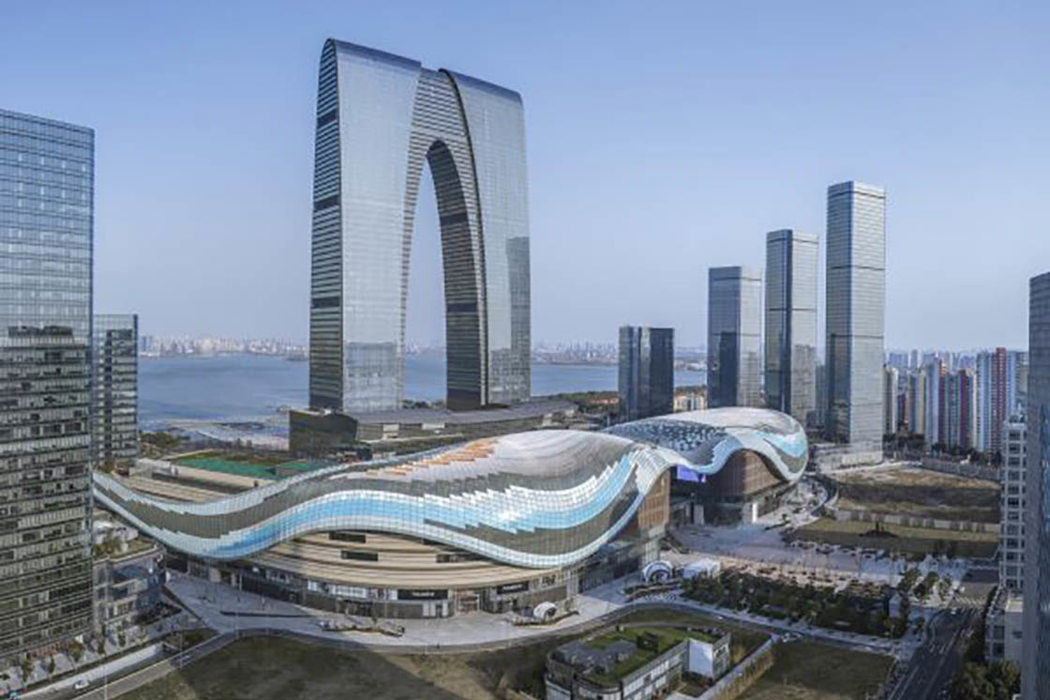
600 Suzhou apartments
Suzhou city was founded in 500 BC. is nowadays a major city located in...
Montague Apple Orchard
Montague Apple Orchard, established in 1948, is a key player in the Australian...

The Bjørvika Tunnel
Electric Heating for the immersed tunnel in Norway.

Baroque palace in Kyiv
Designed by Bartolomeo Rastrelli in the second half of the 18th-century...

Timber building in Norway
Mjøstårnet is an 18-storey mixed-use building in Brumunddal, Norway.

Romantic Lapland
Opened on the 1st of November 2019, Northern Lights village in Levi, Finland...

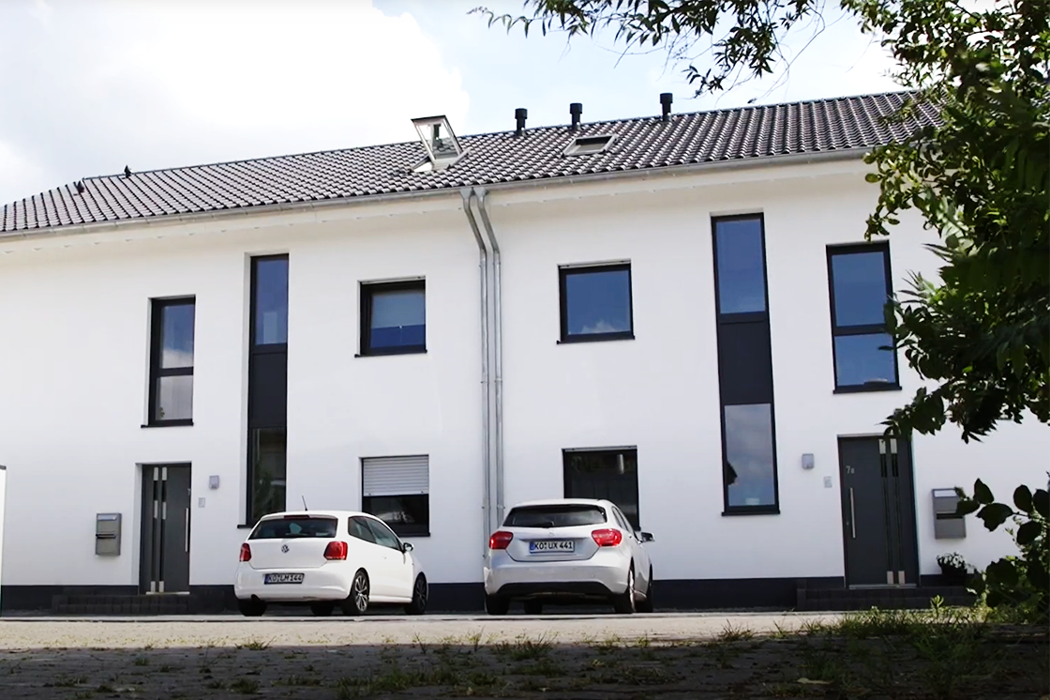
Housing complex
When builders were working on a near-zero energy housing complex in Koblenz...
FAQs
-
Self-regulating heating cables automatically adjust their heat output according to the local temperature along the cable. When a section of pipe is exposed to lower temperatures, the cable can deliver more heat in that area, while warmer sections produce less heat. This allows different parts of the system to respond individually to surrounding conditions.
-
Legionella management in hot water systems typically involves maintaining water temperatures, system design, circulation strategy and compliance with local regulations. Temperature maintenance solutions may form part of the overall system design, depending on building requirements, operating conditions and applicable standards.
-
Domestic hot water temperature maintenance is the practice of maintaining water temperature within a distribution pipe network between the heat source and points of use. Electric heating cables can be installed on hot water pipes to support temperature management throughout the system according to the project design.
-
The most suitable temperature maintenance solution depends on factors such as building size, hot water demand, pipe network layout, operational requirements and local regulations. Hotels commonly assess options including hot water recirculation systems and electric temperature maintenance systems as part of the overall building design.
-
The energy consumption of a pipe tracing system depends on factors such as cable type, insulation thickness, pipe length, operating temperatures and control settings. System performance should be evaluated based on the specific project design and operating conditions. Request consultation and receive comprehensive information from DEVI technical team contact@devi.com
-
Self-regulating heating cables are installed along the hot water pipe network and provide heat directly to the pipe surface.As temperatures vary along the pipe, the cable automatically adjusts its heat output locally, depending on the surrounding conditions. This allows different sections of the pipe network to respond according to the installation environment and operating requirements.The system can be designed as an alternative to traditional hot water recirculation layouts, depending on building design, regulatory requirements and project specifications.
-
In some applications, electric pipe tracing with self-regulating heating cables can be used as an alternative approach to traditional hot water recirculation systems. The suitability of either solution depends on the building design, hot water demand profile, pipe layout, local regulations and project requirements.A domestic hot water temperature maintenance system uses heating cables installed along the pipework to help maintain the design temperature throughout the distribution network. Unlike recirculation systems, pipe tracing does not require a continuous return pipe loop, circulation pump or associated balancing components.When evaluating a system design, factors such as installation layout, operating requirements, maintenance considerations and lifecycle requirements should be assessed by the project designer. The final solution should always be selected according to applicable standards, regulations and the specific requirements of the building.
-
Reducing hot water waste starts with the design of the hot water distribution system. Factors such as pipe routing, insulation, system layout and temperature maintenance strategy can influence how quickly hot water reaches the point of use and how temperatures are maintained throughout the network.Domestic hot water temperature maintenance systems using self-regulating heating cables can be incorporated into hot water distribution networks where maintaining the design temperature along the pipe route forms part of the project requirements. These systems are installed directly on the pipework and can be designed to support temperature management across the installation.When designing a hot water system, consultants and building owners typically consider:
- Pipe lengths and routing
- Thermal insulation design
- Building occupancy patterns
- Operational requirements
- Temperature maintenance strategy
- Applicable regulations and standards
The most appropriate approach should be determined during the design phase and evaluated according to the specific technical requirements of the building and the intended application.