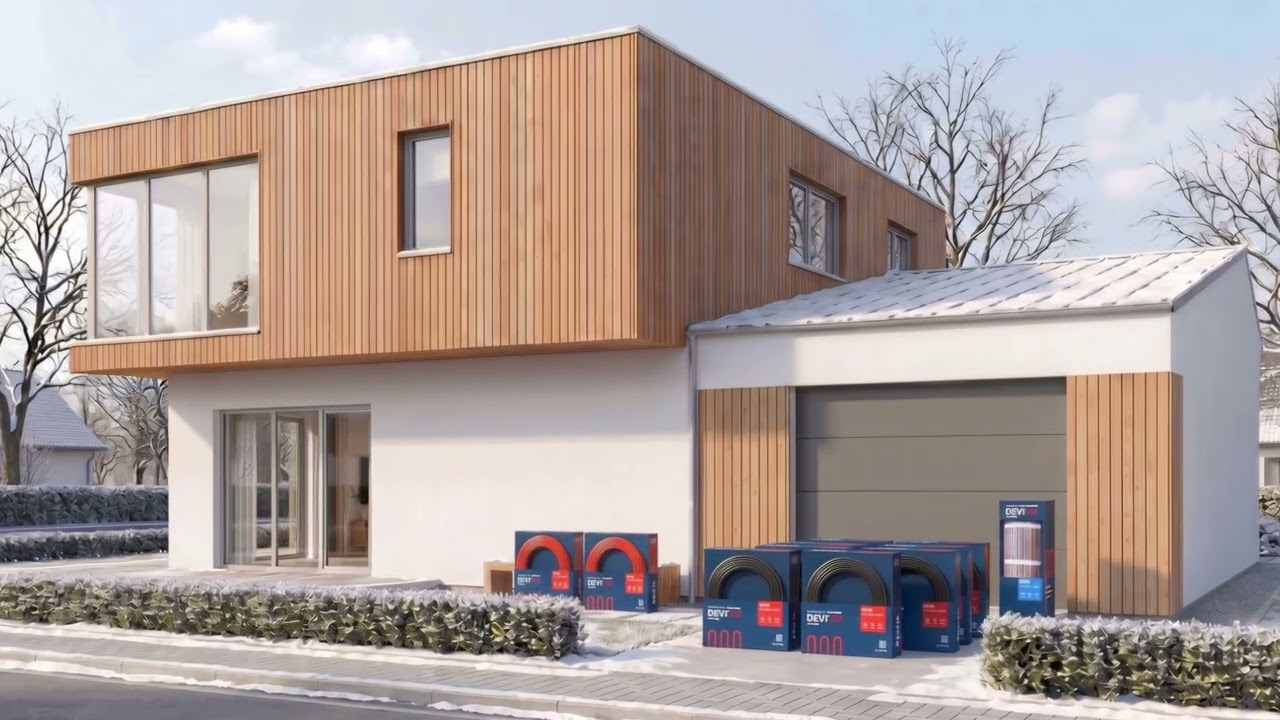
Electric underfloor comfort heating
Supplementary floor heating

Benefits
- Floor-based heating for selected indoor areas
- Compatible with existing heating systems
- Programmable thermostat control
- Configurable heating schedules
- Heating integrated beneath the floor surface
- Suitable for renovation and new-build projects
- Available for a variety of floor constructions and floor coverings
Product groups
Choose a product group to see more details and documents
Heating cables, mats and thermostats
| Product group | Heating cables | Heating mats | Concrete -> 3 cm | Concrete <-3cm | Dry solution | Joist floors |
|---|---|---|---|---|---|---|
| DEVIbasic™ 10S | ||||||
| DEVIbasic™ 20S - 230 V & 400 V | ||||||
| DEVIbasic™ Drum Goods | ||||||
| DEVIcomfort™ 10T | ||||||
| DEVIflex™ 6T | ||||||
| DEVIflex™ 10T | ||||||
| DEVIflex™ 18T | ||||||
| DEVIcell™ LowCarbon | ||||||
| DEVIheat™ 150S | ||||||
| DEVIcomfort™ 100T | ||||||
| DEVIcomfort™ 150T | ||||||
| DEVImat™ 70T | ||||||
| DEVImat™ 100T | ||||||
| DEVImat™ 150T | ||||||
| DEVImat™ 200T | ||||||
| DTCE 100T | ||||||
| DTCE 150T | ||||||
| DTCE 175T | ||||||
| DEVIreg™ 130 | ||||||
| DEVIreg™ 530 | ||||||
| DEVIreg™ 532 | ||||||
| DEVIreg™ Basic | ||||||
| DEVIreg™ Room | ||||||
| DEVIreg™ Display Connect | ||||||
| DEVI Connect Gateway | ||||||
| DEVIreg™ Opti | ||||||
| DEVIreg™ Touch | ||||||
| DEVIreg™ Smart |
Case stories
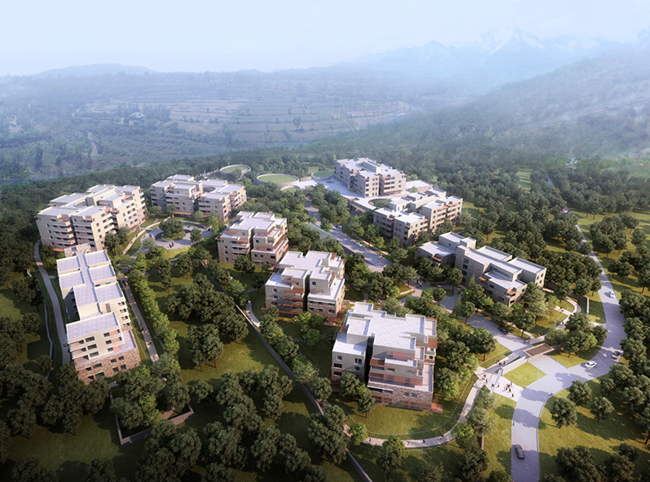
DEVI Heating solution for Antara Senior Living
This case study highlights how DEVI heating solutions were implemented in the Antara Senior Living project to support comfort and indoor climate control.
Timber building in Norway
Mjøstårnet is an 18-storey mixed-use building in Brumunddal, Norway.

Romantic Lapland
Opened on the 1st of November 2019, Northern Lights village in Levi, Finland.

Housing complex
When builders were working on a near-zero energy housing complex in Koblenz.

A Cold Hallway in Stavanger
The once cold hallway is now a warm and inviting space, with the immediate effect of the heating system ensuring year-round comfort.

A Seamless Blend of Luxury, Relaxation, and Technology
Hernö Gin Hotel chose DEVIcomfort™ electric heating cables as the optimal heating solution.

FAQs
-
Warm-up time depends on several factors, including:
- The type of heating system installed
- The floor construction
- The floor covering
- The thickness of the screed or concrete layer
- The operating temperature and control settingsSystems installed directly beneath tiles may respond differently from systems installed within thicker floor constructions. Actual response times depend on the design and conditions of the installation.
-
Most homes today still rely on heating systems designed over 70 years ago. Radiators were a genuine technological step forward when they were introduced, but they were never designed with modern open-plan living, minimalist interiors, or energy efficiency in mind. They heat the air near the walls, that warm air rises to the ceiling, and the floor — the surface you actually live on — remains cold.
The warmth never quite reaches the places where people sit, stand, or play. You turn up the thermostat, the ceiling gets warmer, the energy bill rises, and the floor stays cold. It is a cycle that many homeowners accept as simply inevitable — but it is not. -
Electric floor heating can be installed in nearly every room in a home, and it is compatible with most modern floor coverings including tiles, laminate, engineered wood, vinyl, and carpet. However, some spaces benefit more dramatically than others — and understanding this helps you prioritise where to invest first.
-
Bathrooms - The single most popular application for underfloor heating. Warm tiles after a shower transform the experience completely. As a bonus, heated floors dry faster and reduce ambient humidity, which helps prevent mould and damp.
Living rooms - Provides uniform comfort across large spaces without any visible heating devices. Furniture can be placed freely, and the entire floor becomes a gentle radiator. Particularly effective in openplan layouts where traditional radiators struggle to heat evenly.
Children's rooms - Children spend far more time at floor level than adults. Warm floors make playtime more comfortable, and there are no hot radiator surfaces to worry about. The stable, low-level warmth is also ideal for younger children and babies.
Hallways & Entrances - Often the coldest areas in a home, especially in older properties. A heated hallway creates a genuinely welcoming atmosphere in winter and dries wet floors and boots far more quickly after coming in from outside.